
- The Bay Area Market Dynamics
- Why Landlords Offer Deals
- Deals In Residential Multifamily Properties
- Typical Commercial Property Deals
- Considerations Before Offering Deals
- Discounts Improve Occupant Stabilization Faster
- The Disadvantages of Providing Leasing Incentives
- Evaluate Your Local Market Conditions
- The Importance of Strategic Flexibility
- Bottom Line
Key Takeaways:
- Leasing incentives only succeed when they are carefully customized to match local sub-market conditions and genuine tenant demand gaps.
- Move-in concessions can accelerate initial leasing, but long-term occupancy ultimately relies on foundational property quality, maintenance, and location.
- Incentives must be structured strategically to minimize immediate vacancy costs without sacrificing your property's long-term rental rates or asset value.
The rental market in the Bay Area has undergone a rapid transformation over the last 10 years. To this day, there still exists a great deal of variation of types and their investment potential due to external influences such as remote work, economic cycles, migration trends, and new expectations of tenants.
At Castle Management, we’ve seen that leasing strategies have become more critical than ever. The main thing to consider when offering a deal is whether it fits with the market conditions, the marketing strategy, the demographics of the target market, and the long-term performance of your asset.
In this article, we will outline some of the key advantages, disadvantages, and strategic factors to consider when offering leasing incentives for both commercial and residential Bay Area rental properties.
Contact Our Property Management Experts Today!
The Bay Area Market Dynamics
The Bay Area has historically been, and continues to be, one of the most economically dominant areas in America, driven by the high-tech, health care, financial services, education, and innovative industries.

However, leasing environments, both commercial and residential, have become increasingly complicated as a result of many market-changing things that have impacted the business environment within the Bay Area in the last several years:
● The rising use of remote and hybrid work models.
● Increased operating expenses.
● Increased interest rates.
● Changes in population density and population movement.
● New construction in certain sub-markets.
● Changing tenant expectations around amenities and flexibility.
Some urban locations have seen major increases in office vacancy rates, while a majority of residential properties in suburban growth areas continue to see strong demand from tenants.
Why Landlords Offer Deals
Leasing incentives have only one main goal: to reduce vacancy and increase tenant interest.
For operators of both residential and commercial properties, vacancy can lead to lost rental revenue, continued maintenance costs, utility expenses, security responsibilities, pressure of financing, and decreased valuation performance of the property.
In many cases, it may be less expensive to provide a concession than it would be to leave a unit or suite empty for several additional months. For property owners in the Bay Area, providing incentives has been a popular method of:
● Differentiating property from similar properties located in the same sub-market.
● Competing with newer developments.
● Increasing speed of leasing.
● Stabilizing occupancy levels.
● Attracting long-term tenants or anchor tenants.
Deals In Residential Multifamily Properties
Many multifamily property owners throughout the Bay Area closely track shifting market dynamics to stay ahead during extremely competitive leasing periods.

Common leasing incentives include:
● One to two months free rent.
● Waived application fees.
● Reduced security deposits.
● Flexible move-in dates.
● Parking discounts.
● Free or discounted amenities.
● Referral bonuses.
Typical Commercial Property Deals
Commercial rental agreements are typically longer in duration as well as having more detailed construction requirements to meet the tenant’s needs, versus a residential lease product. Common commercial concession options are:
● Tenant finish allowance.
● Free rent.
● Flexible lease terms.
● Lesser rental increases.
● Build out assistance.
● Parking incentives.
● Shared maintenance cost allocation.
Considerations Before Offering Deals
Concessions on the lease are often negotiated at each office and retail property location based upon:
● Tenant’s credit profile.
● Length of lease.
● Space need.

Commercial landlords often place higher value on long-term rental stability than they do on maximizing short-term income.
Contact Our Property Management Experts Today!
1. Discounts Improve Occupant Stabilization Faster
When used effectively, deals can yield:
● Faster stabilization.
● Increase competitive advantage.
● Retention of market rental rates.
● Support lease-up strategies.
2. The Disadvantages of Providing Leasing Incentives
While there are some benefits to providing leasing concessions, there are also negatives.
● Lower effective rental revenues.
● Weakening a property’s positioning.
● Bringing in short-term & price-sensitive tenants.
● Providing challenges at renewal time.
3. Evaluate Your Local Market Conditions
Not all properties in the Bay Area will benefit from providing leasing incentives. The effectiveness of concessions is largely dependent on:
● The performance of the sub-market.
● Classification of the subject property.
● Demand for tenants.
● Condition of the asset.
● Other competitive properties within your local area.
A market analysis of the area should always be done before making any decision on the use of concessions. Concession programs will be most effective when:
● The introduction of new inventory increases local competition.
● The slow leasing activity due to seasonal fluctuations.
● The number of vacant units exceeds the targeted occupancy time frames.
● Renovated units need stronger visibility.
● Lease-up periods are required to be accelerated.
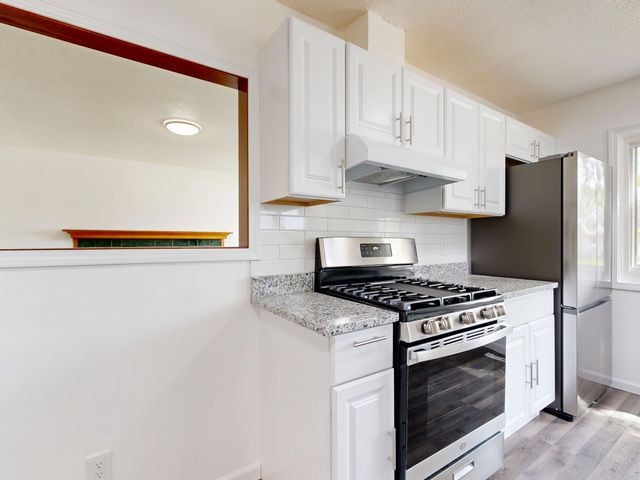
Concessions should enhance a property’s management and marketing programs, rather than provide an alternative solution. That is because tenants continue to evaluate a property based on:
● Location.
● Safety.
● Maintenance.
● Amenities.
● Responsiveness of communication.
The Importance of Strategic Flexibility
Commercial users often use different criteria to evaluate their leasing options than residential tenants. For example, commercial tenants generally place a greater emphasis on:
● Operational effectiveness.
● Visibility of location.
● Leasehold improvements.
● Access to parking.
● Lease stability.
Because of these differences in criteria and focus, leasing incentives are often concept-based, customized, and mutually negotiated. While many property owners try to provide lower monthly payments to attract new tenants, there are other ways that property owners can effectively differentiate themselves in their competitive environments:
● Smart building technologies.
● Energy efficiency upgrades.
● Shared workspaces.
● Enhanced security features.
● Outdoor amenity areas.
● Flexible lease structures and terms.
Bottom Line
Concessions can be a valuable leasing tool for the commercial and residential property owner in the San Francisco Bay Area in attracting tenants. A well-designed incentive program may help reduce vacancy rates, increase competitiveness and allow for a shorter time frame for leasing.
Partnering with a trusted local property management team ensures your incentive programs maximize immediate tenant demand while fully protecting your asset's long-term value.
