- What Should You Do First With an Inherited Duplex or Fourplex?
- Why You Can't Simply Rewrite the Leases
- Walk Every Unit and Document It
- Keep, Sell, or Hire a Manager
- How Prop 19 Can Change Your Holding Costs
- What East Bay Heirs Run Into
- How We'd Approach an Inherited Small Building
- Talk With Castle Management About Your Inherited Building
- Frequently Asked Questions About Inherited Multifamily Property
- Existing leases transfer with the building, and their terms bind the new owner until they end or are lawfully changed.
- Insurance is the first call, because a homeowner policy usually isn't written for a building with tenants.
- Security deposits are a liability, so confirm who holds each one before you collect any rent.
- Prop 19 can change a property tax bill after an inheritance, so talk to a CPA or estate attorney.
- You have three paths: keep and self-manage, sell, or hire a manager.
If you inherited a duplex or fourplex with tenants in place, spend your first 30 days on three things: switch the insurance to a landlord or multifamily policy, collect every lease and deposit record, and confirm who holds each security deposit.
The tenants' leases came with the building, so you can't rewrite them. You can only run them. Castle Management has managed East Bay income property since 1986, and this is the order we'd work in for an heir who never planned to be a landlord.
Learn How We Can Help You Maximize Your Investment’s Potential!
What Should You Do First With an Inherited Duplex or Fourplex?
Work through a 30-day checklist, starting with insurance. Call the carrier on the building and ask whether the existing policy covers a new owner and rental use.

Confirm coverage in writing. Check with your state insurance department if you need help understanding the difference between homeowner and landlord coverage; the NAIC directory of state insurance departments lists them.
Next, gather paperwork. You want each signed lease, the move-in date, the current rent, deposit records, any addenda, and recent repair invoices. If the previous owner kept little, ask each tenant what they signed and when they last paid.
Then settle the deposits. Find out whether they sit in an account, were spent, or went through the estate. A deposit belongs to the tenant, and the new owner is generally answerable for it. Ask the estate attorney how it is being handled. Last in the first month: redirect rent.
Tell tenants in writing who they pay, where, and how, and keep a dated copy of every notice. For the notice content and screening steps that follow, use our landlord compliance checklist rather than improvising.
Why You Can't Simply Rewrite the Leases
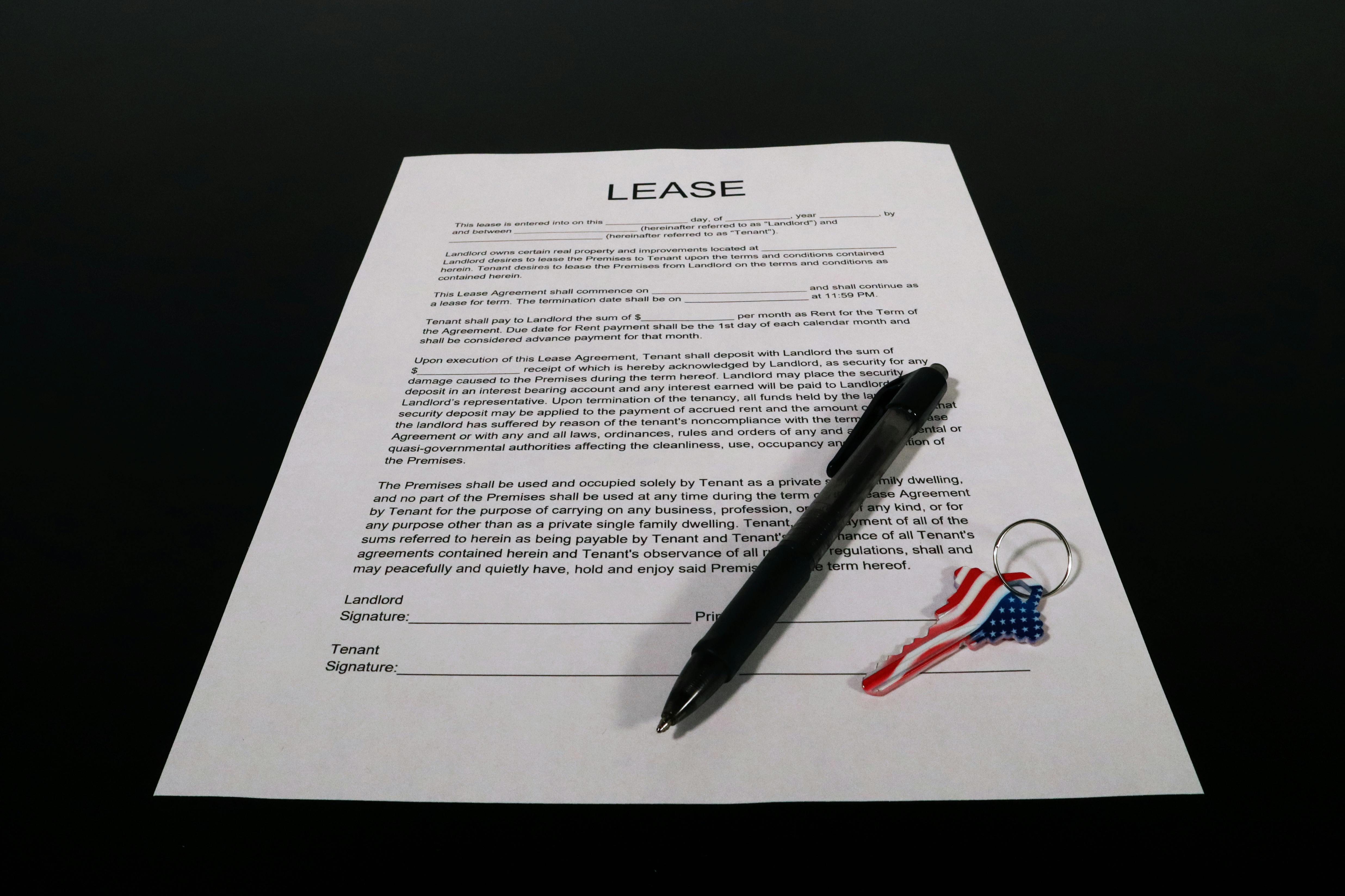
A lease is a contract with the property, not with the person who died. A tenant on a 12-month term keeps that rent and those conditions until the term ends. A month-to-month tenant can have changes made only through the notice process California requires.
The statewide floor, AB 1482, caps annual increases at 5 percent plus CPI or 10 percent, whichever is lower. Several East Bay cities add their own rules, so confirm yours on the California legislature site or with the city.
Walk Every Unit and Document It
Schedule a walkthrough with each household, with notice, and photograph everything. Note the roof, drainage, water heaters, electrical panels and any deferred repairs. You are recording what you inherited, so later disputes have a baseline.
Older East Bay buildings built before 1978 may also carry lead paint and seismic questions; the EPA lead disclosure page explains the disclosure side.
Our Property Management Offers Plenty of Benefits!
Keep, Sell, or Hire a Manager
| Option | What It Asks of You | Best Suited To |
|---|---|---|
| Keep and self-manage | Rent collection, repairs, notices and compliance, on your schedule | Heirs who live nearby and want hands-on work |
| Keep and hire a manager | Owner approvals and a monthly review of reports | Out-of-area heirs or anyone with a job and a family |
| Sell | Estate coordination, tenant-occupied sale rules, tax review | Heirs who want cash or have several beneficiaries |
How Prop 19 Can Change Your Holding Costs
California's Prop 19 changed how inherited property is reassessed for property tax. In general terms, the family-home exclusion that once passed a low assessed value to heirs is narrower, and a rental property that is not your own home is more likely to be reassessed to current market value.
A reassessment can raise the annual bill noticeably, and that bill feeds directly into your cash flow math. Details turn on how the property is used and who inherits it. Confirm everything with a CPA or estate attorney before you decide anything. For rental income and expense reporting, see IRS Publication 527 .
What East Bay Heirs Run Into
Concord, Antioch and Richmond each have rent stabilization and just cause ordinances, and Hayward and Alameda have their own. Concord runs an annual rent registry; multifamily registration ran May 1 to June 30 in 2026.

Concord's just cause rules for single-family homes and condos apply only to landlords renting three or more such units. A duplex or fourplex is a different case , so check the current rule for your city.
Demand in Concord, Walnut Creek and Pleasant Hill is commuter-driven, fed by BART and I-680, and by employers such as John Muir Health and Chevron in San Ramon. Winter turnovers are slower, so a vacancy in January costs more than one in June.
How We'd Approach an Inherited Small Building
Our rule of thumb: decide after you have 12 months of real numbers, not before. Castle Management starts every engagement with a property and market analysis, a 12-month pro forma and a 10-year capital improvement budget. Run those numbers on your inherited building, and the keep-or-sell choice stops being a gut call.
Answer these before you choose . Can you take a repair call at 11 p.m.? Do you live close enough to inspect? What does the post-reassessment tax bill do to cash flow?
Do the beneficiaries agree on a plan? Our scope is strongest on 6+ unit buildings, so ask us directly about a duplex or fourplex. Our tenant screening guide covers what comes at the next vacancy.
Talk With Castle Management About Your Inherited Building
If you've inherited a building in the East Bay and want a second opinion on keeping, selling or handing it off, contact Castle Management today. We'll talk through the property, the tenants and your timeline. See where we work, then call us or send the contact form on our site.
Learn More About Our Services.
Frequently Asked Questions About Inherited Multifamily Property
Do Tenants Have to Stay When I Inherit a Duplex?
Yes, in most cases the tenants keep their right to stay. Their lease continues under its existing terms, and in many California cities just cause rules limit when a landlord can end a tenancy.
You can't remove a tenant simply because ownership changed. Check your city's ordinance and AB 1482 before sending any notice, and consult an attorney if you plan to move into a unit or sell with tenants in place.
Who Owns the Security Deposits After an Inheritance?
The deposits still belong to the tenants, and the new owner is generally responsible for returning them properly at move-out. Ask the estate representative where each deposit is held and get the amounts in writing.
If funds were never set aside, talk to the estate attorney about how to cover them. Record every figure against the matching lease so the answer is ready later.
Should I Tell Tenants About the Ownership Change in Writing?
Yes. A written notice gives tenants the new owner's name, where to send rent, how to reach you for repairs and who to call in an emergency. Keep a dated copy for your records. Tenants who get unclear instructions tend to miss payments or send rent to the old account. Our compliance checklist covers the notice steps in more detail.
Does Prop 19 Raise My Property Taxes on an Inherited Rental?
It can. Prop 19 narrowed the parent-to-child reassessment exclusion, and a rental building that is not the heir's home is more likely to be reassessed at current market value. Whether it applies depends on your relationship to the owner and how you use the property. Ask a CPA or estate attorney to model the new bill before you decide whether to keep the building.
Can Castle Management Manage a Duplex or Fourplex?
Our focus is multifamily, and our stated minimum in the California Apartment Association directory is six units. We also serve single-family and condominium owners, so a conversation is the right first step.
We'd review the building, discuss your goals and tell you plainly whether it fits. Pricing is quoted privately after we understand the property.
