- Understanding Month-to-Month Leases
- Why Do Some Landlords Choose to Use a Month-to-Month Lease
- Rental Pricing Flexibility
- Month-to-Month Renting Opportunities
- Quicker Process for Removing Problematic Tenants
- The Types of Tenants Looking for Flexible Rental Arrangements
- Potential for a Higher Rental Rate
- The Disadvantages of a Month-to-Month Lease
- The Risk of Increased Vacancy
- Higher Frequency of Tenant Turnover
- Increased Difficulty in Predicting Financials
- Increasing Administrative Requirements
- Unstable Tenants
- Final Thoughts
Key Takeaways
-
Month-to-month leases give landlords valuable flexibility in adjusting rent prices and responding to market conditions, but at the cost of less predictable income and higher tenant turnover.
-
The ideal tenant for a month-to-month lease is one with a legitimate short-term need such as traveling professionals, relocating workers, or prospective homebuyers rather than someone simply avoiding commitment.
-
Whether a month-to-month lease is the right choice depends heavily on your property type, location, and tolerance for administrative workload and financial uncertainty.
In rental property management, a lease structure is a key decision for landlords. At Castle Management, we've seen firsthand how factors like rent rate, tenant screening, and building upkeep tend to get most of the attention.
However, with all those factors, the type of lease can significantly affect factors such as how quickly the rental will be vacant, how well off the tenant will stay there, flexibility of operation, and profitability over time.
There are many types of leases available to landlords. However, the one that is more often debated is the month-to-month lease. Some landlords have always placed a high value on the flexible, adaptable nature of the month-to-month lease. However, for those who don’t, they may see it as an unpredictable and much too risky way to operate a rental property.
In this article, we will discuss the advantages and disadvantages of using a month-to-month lease, as well as strategic considerations for landlords who are considering a month-to-month lease for their rental property.
Learn how we can help you maximize your home’s potential.
Understanding Month-to-Month Leases
A month-to-month lease automatically renews each month until either party provides adequate notice to terminate.
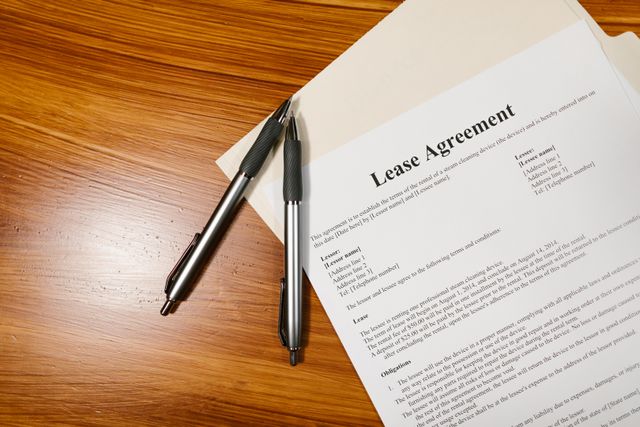
Unlike a typical fixed-term lease that would run for either 6-months or 12-months, a month-to-month lease allows both parties additional flexibility. Each month-to-month agreement will typically contain:
● Rental payment requirements every month.
● Rules and regulations regarding the use of the rental property.
● The required notice period necessary to terminate the lease.
● Responsibilities for the maintenance of the property.
● Terms for a security deposit.
Why Do Some Landlords Choose to Use a Month-to-Month Lease?
Many landlords have concerns about using a month-to-month lease as it relates to the lack of stability. However, the operational benefits associated with the use of a month-to-month lease are enough to support their decision to use a month-to-month lease over the traditional lease option.
1. Rental Pricing Flexibility
Month-to-month rental agreements allow landlords to have faster and easier access to change rental rates than long-term lease agreements.
Long-term lease agreements typically require that a landlord cannot change the monthly rental amount during the entire period of a contractual agreement. If the market rate for rentals increases significantly, a landlord may not have an opportunity to raise income until the contract is up for renewal.
With a month-to-month rental agreement, a landlord can:
● Respond quickly to changing market conditions.
● Provide advance notice to tenants of any rental rate changes.
● Adjust pricing according to the seasonality and the demand cycle.
2. Month-to-Month Renting Opportunities
Many renters need flexible rental options due to many reasons. Some examples of this include:
● Owners want to part with their properties in the future.
● Temporary relocation.
● Renovation.
● Seasonal housing.
● Short-term employment.
3. Quicker Process for Removing Problematic Tenants
The process of evicting problematic tenants who are subject to fixed rental agreements can often be time-consuming and legally complicated.
Although there are laws that landlords must comply with, it can be easier for them to execute decisions regarding the non-renewal of rental agreements with month-to-month rentals.
4. The Types of Tenants Looking for Flexible Rental Arrangements
Many renters fit the category of being interested in flexible housing. Renters in this category are:
● Traveling professionals.
● Remote workers.
● Medical workers on temporary assignments.
● People who are relocating but do not know their timeline.
● Renters who will soon be purchasing a house.
5. Potential for a Higher Rental Rate

Because flexibility is beneficial to both tenants and landlords, many landlords will enforce a higher rental rate for month-to-month leases than for long-term leases. Tenants are willing to pay more for the flexibility a month-to-month tenant offers, as they can avoid being committed to a long-term agreement.
Learn how we can help you maximize your home’s potential.
The Disadvantages of a Month-to-Month Lease
Although there are advantages to having flexibility, there are also disadvantages to a month-to-month lease that need to be carefully weighed by the landlord.
1. The Risk of Increased Vacancy
One of the biggest drawbacks of a month-to-month lease is the uncertainty that arises from tenant turnover. Since a tenant can usually leave at any time without any prior notice, a landlord may be faced with:
● Abrupt loss of cash flow.
● The need for increased frequency of advertising to get the properties rented.
● Unexpected vacancies.
2. Higher Frequency of Tenant Turnover
Leases that are flexible will generally result in a shorter amount of time for a tenant to occupy a unit. Increased frequency of tenant turnover increases the cost of running your business due to:
● Cleaning expenses.
● Maintenance expenses.
● Advertising.
● Showings.
● Administrative costs associated with the processing of new tenants, etc.
3. Increased Difficulty in Predicting Financials
The ability to predict your rental income is very important to your budget and investment planning. Month-to-month leases provide a challenge to the landlord due to uncertainty regarding:
● Future occupancy.
● The stability of cash flow.
● When will maintenance occur?
● How to plan for a mortgage payment?
4. Increasing Administrative Requirements
Frequent lease changes, notices, and turnover can increase the administrative workload of management. Landlords may spend significant amounts of time dealing with:
● Move-in/move-out inspections.
● Vacancy advertising.
● Applicant screening.
● Lease changes.
5. Unstable Tenants
Most short-term tenants can be problematic. Several landlords discovered that many of their tenants who are searching for maximum flexibility were generally not as committed or engaged in their long-term responsibility for maintaining and caring for a building.

The shorter the expected time to occupy a unit, the lower the tenant's motivation to:
● Maintain the unit properly.
● Have community connections.
● Be willing to cooperate to develop long-term maintenance plans.
Final Thoughts
A month-to-month lease will provide an owner with both opportunities and challenges. Its primary advantage to an owner is flexibility, since it permits an owner to adjust pricing as necessary, respond to current market conditions, and more readily adjust to changes in tenancy.
To determine whether your property type, location, and neighborhood are suitable for a month-to-month lease, we recommend that you hire a property management company.
