- Shift from passive owner to strategic asset manager: Treat the property as an investment asset—actively monitor metrics like NOI, tenant quality, lease terms, and capital improvements rather than reacting to issues as they arise.
- Base decisions on data through a full performance audit: Review debt, rent rolls, lease expirations, operating expenses, and market rents to identify inefficiencies and uncover revenue opportunities.
- Stabilize and professionalize operations before expanding: Standardize processes (rent collection, vendor contracts, lease enforcement), address deferred maintenance, and implement proper accounting systems to gain financial clarity.
- Adopt long-term investment strategies: Develop a capital improvement plan, refine tenant screening and leasing structures, and continuously evaluate market conditions to increase property value and income stability.
While some people become landlords out of deliberate ambition, others do so from unexpected circumstances.
In commercial and multifamily properties, some people are landlords following situations such as family inheritance with small apartment complexes, business relocation living behind an office property, partnership dissolution where one partner retains a retail center, or failing to sell the property and temporarily leasing it.
Initially, the aim is to retain the property, collect rent, and handle expenses. These accidental landlords make decisions reactively rather than strategically planning.
Over time, they realize that the property is not a mere holding but an investment with unrealized potential that requires active operation.
The transformation from an accidental landlord to an active investor is not automatic but requires deliberate change in systems, mindset, long-term planning, and financial discipline.
Those managing commercial and multifamily properties understand that this transformation is crucial because expansion will increase both risks and opportunities.
In this article, Castle Management provides strategies for accidental landlords to intentionally transform into active, growth-oriented investors.
Learn How We Can Help You Maximize Your Home’s Potential!
Tips for Transforming into Active Investors
If you want to make the switch into the role of active, successful investor, here's what you need to do.
Change Your Role Property Holder to Asset Manager
The first step for transition is the concept. Generally, accidental landlords believe they are responsible for maintaining the property, and the goal is not strategic returns.
In contrast, active investors consider the property as a capital asset that requires strategic management to ensure successful performance.

Understanding these differences will shape the landlord's behavior. Working as an asset manager requires you to evaluate the impacts of capital improvements , tenant credit quality, lease expiration schedules, expense ratios, and net operating income trends.
Investors anticipate problems instead of responding to them as they occur. Every subsequent improvement depends on perspectives provided by this transformation.
Conduct a Comprehensive Performance Review
The landlord must know the present condition of the asset before considering the way forward.
When reviewing commercial and multifamily properties, include debt structure evaluation, maintenance backlog assessment, market rent comparisons, operating expense categorization, lease term evaluation and expiration mapping, and detailed rent roll analysis.
For multifamily properties, landlords can discover immediate upside potential by identifying units that are under-rented when compared to the market.
You can uncover revenue inefficiencies in commercial buildings by evaluating common area maintenance reconciliations or escalation closes. Assumptions are replaced by data. Strategic planning is baseless without an audit.
Stabilize Operations Before Expanding
Some accidental landlords are tempted to acquire additional properties prematurely. However, it is advisable to stabilize first before the transition. The following operations are necessary for stabilization:
-
Establishing clear communication protocols
-
Standardizing vendor contracts.
-
Improving rent collection systems.
-
Addressing deferred maintenance.
-
Ensuring enforceable and current leases.

Predictability is expected by commercial tenants just as consistency is valuable to multi-family residents. You can increase property evaluation by stabilizing operations. This will prepare you for broader investment activities.
Why Partner with Castle Management?
Establish Professional Financial Systems
Financial clarity is crucial for active investors. For that reason, it is essential to maintain separate operating bank accounts for each property.
To streamline data-analysis, you can use accounting software specifically made for income-producing real estate properties. This will help you to keep up with net operating income, capital expenditures, operating expenses, vacancy losses, and gross rental income.
Active investors identify trends with the help of monthly financial reports. With this, it is possible to promptly visualize irregularities, revenue decline, and expense spikes.
Accidental landlords commonly experience financial opacity. However, professional accounting will help to convert uncertainty into informed control.
Create a Strategic Capital Plan
Ongoing capital investment is required for commercial and multifamily properties. For that reason, investors consider periodic replacement for HVAC infrastructure, plumbing, elevators, roof systems, parking surfaces, and facade components.

To be an active investor, you do not wait for failures to occur before acting. Establish schedules for capital expenditure and reserve funds accordingly. For instance:
-
Long-term operating expenses are reduced by energy-efficient systems.
-
High-credit tenants find upgraded commercial lobbies attractive.
-
Modest rent increases are justified by common area renovations of multifamily properties.
This shows that having a capital plan helps to align revenue enhancement with improvement expenses.
Refine Tenant Strategy
The ability to stabilize income directly depends on tenant quality. For multi-family properties, your screening protocols should include rental history checks, credit evaluation, and income verification.
Ensuring consistency will minimize delinquency risk. In commercial properties, it is critical to evaluate the business sustainability and financial health of tenants. If a retail tenant has weak finances, they present more risk than a strongly established enterprise.
For active investors, tenants are not occupants but income partners. You should strategically approach lease negotiations with more attention to renewal possibilities, escalation clauses, and term length.
Discover Our Property Management Services!
Strengthen Lease Structures
Some complex provisions can significantly influence income in commercial leases . It is essential to review the following if you are transitioning from an accidental landlord to an active investor:
-
Early termination clauses.
-
Renewal options.
-
Tenant improvement allowances.
-
Expense pass-through mechanisms.
-
Annual rent escalation schedules.
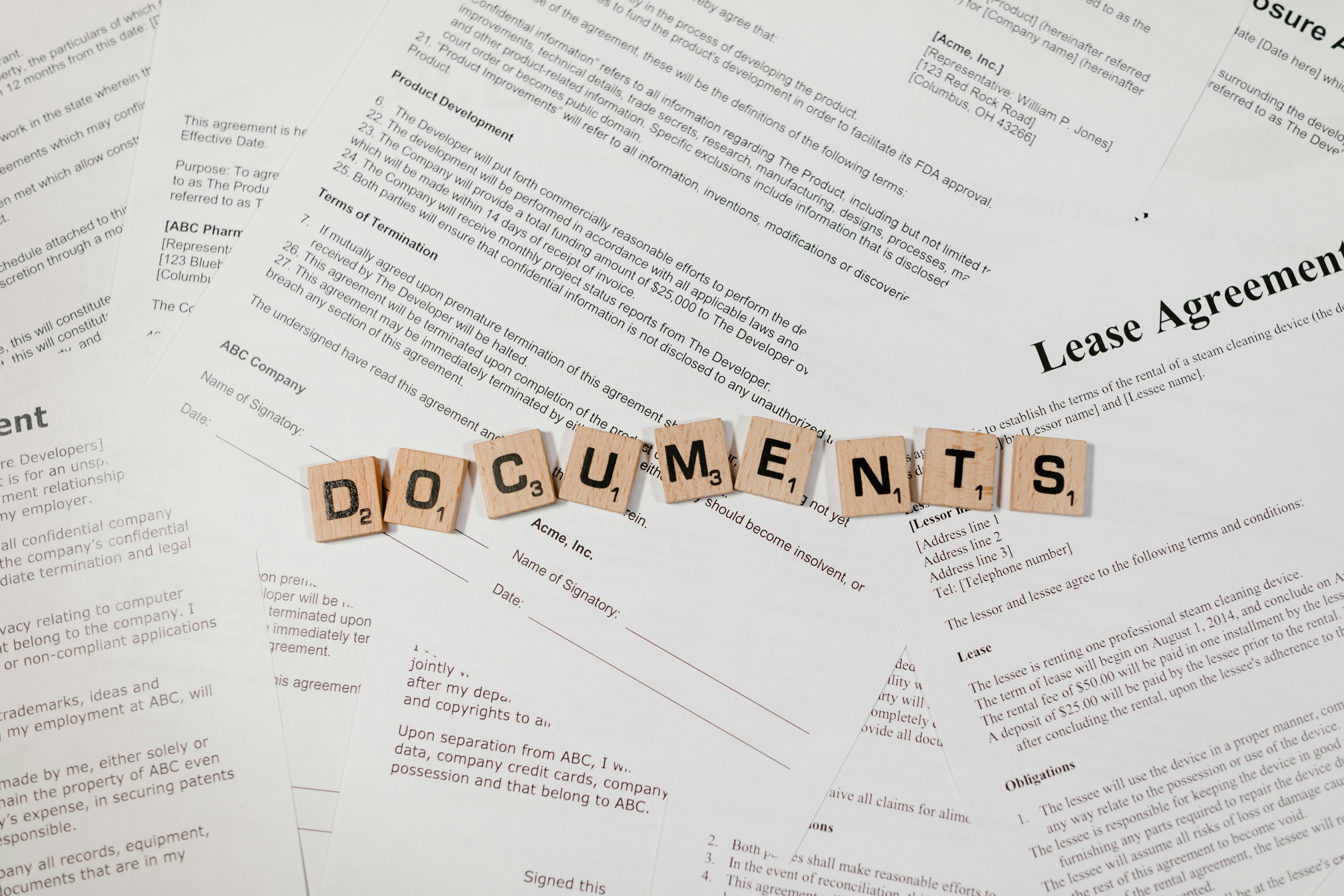
If you are managing a multifamily property, it is essential to standardize lease language. Doing so will minimize administrative confusion and boost enforceability. Long-term income predictability is possible with strategic lease structuring.
Evaluate Market Positioning
Generally, accidental landlords do not perform a thorough market analysis before acquisition. In contrast, active investors evaluate the competitive nature of their properties continuously.
To transition from an accidental landlord into an active investor, it is advisable to consider the following evaluations:
-
Regulatory changes.
-
Commercial demand trends.
-
Demographic shifts.
-
Completing developments.
-
Local vacancy rates .
You can justify rent adjustments in multifamily properties by improving amenities such as common spaces or security systems. For commercial properties, parking improvements or facade enhancements may affect tenant demand.
Final Thoughts
Intentionality is the major determining factor in the journey from accidental landlord to active investor. This transformation requires changing from passive oversight to active asset management.
Even when circumstances make you an accidental landlord, you can transform it into an active investment.
All that is required is cultivating professional insight and adopting a disciplined framework. However, it is advisable to partner with a property management company to ensure a seamless transition.
