
- Use NOI, cash flow, and DSCR together to get a clearer picture of a property's financial performance and debt obligations.
- Review the lease structure before projecting expenses so you understand which costs the landlord may be responsible for.
- Build CapEx reserves into your ownership plan so major replacements do not create unexpected financial pressure.
- Treat due diligence as an opportunity to uncover lease obligations, deferred maintenance, and operating costs before committing to an acquisition.
- Revisit investment metrics as property conditions, leases, expenses, and financing change rather than relying on the numbers from the original acquisition.
Successful commercial and multifamily property ownership requires a solid understanding of the financial and operational terms used throughout the real estate industry. These concepts influence purchasing decisions, budgeting, lease negotiations, financing, and long-term planning.
Landlords who understand common investment terminology are better prepared to evaluate opportunities, communicate with lenders and service providers, and make informed decisions that support stable property performance.
Castle Management put together this guide to explain real estate terms every commercial and multifamily property owner should know.
Whether reviewing financial reports, assessing acquisitions, or overseeing existing assets in the San Ramon area, a clear understanding of these terms helps reduce risk, improve decision-making, and support more effective property management.
Learn How We Can Help You Maximize Your Investment’s Potential!
1. Occupancy Rate and Vacancy Rate
Occupancy rate measures the percentage of rentable space that is leased, while vacancy rate measures the portion that remains empty.
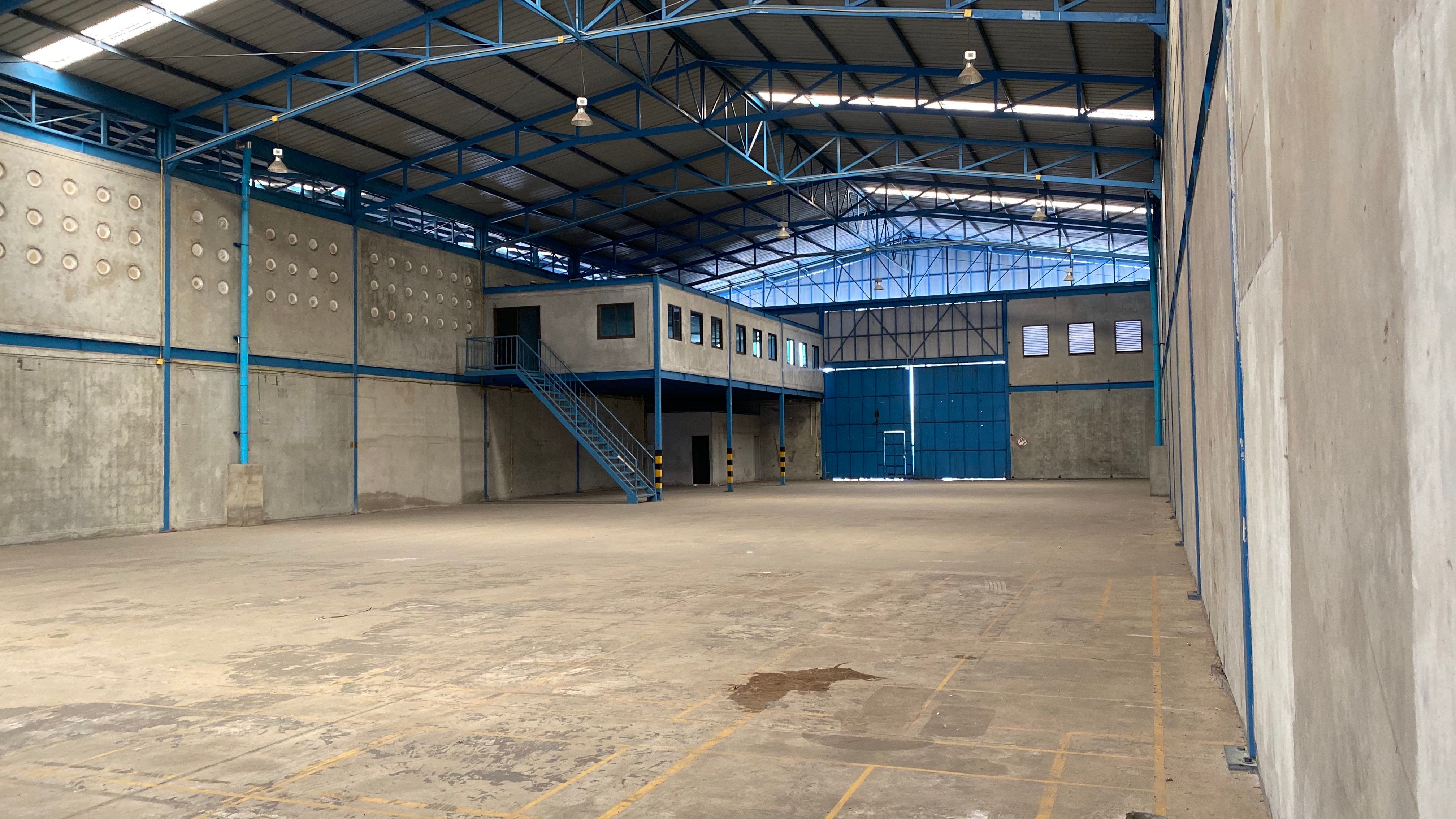
High occupancy generally supports stable income, while prolonged vacancies reduce revenue. Commercial properties often require longer leasing periods than residential rentals, making proactive leasing especially important.
In San Ramon , regular market analysis, competitive rental rates, and responsive property management help maintain occupancy while protecting long-term income.
2. Cash Flow
Cash flow is the income remaining after operating expenses, loan payments, taxes, insurance, and maintenance costs have been paid. Positive cash flow means a property generates more income than it costs to operate. Negative cash flow means expenses exceed rental income.
For example, a San Ramon office building producing $22,000 in monthly rental income with $18,500 in monthly expenses generates $3,500 in positive cash flow.
Monitoring cash flow helps owners determine when rental rates, operating expenses, or leasing strategies should be adjusted. Professional property management can also improve cash flow through consistent rent collection, expense control, and lower vacancy rates.
3. Net Operating Income (NOI)
Net Operating Income, or NOI, measures a property's operating performance before mortgage payments and income taxes. It is calculated by subtracting operating expenses from gross operating income.
Operating expenses typically include maintenance, insurance, management fees, owner-paid utilities, landscaping, and routine repairs.

Keeping track of key performance indicators like NOI allows investors to compare properties without financing affecting the results. Commercial lenders and buyers frequently use NOI when evaluating investment opportunities.
4. Capitalization Rate (Cap Rate)
The capitalization rate estimates a property's expected return based on its current income. It is calculated by dividing NOI by the property's market value or purchase price.
For example, if a commercial property produces an annual NOI of $300,000 and is valued at $5 million, its cap rate is 6 percent. Cap rates vary by property type, location, and market conditions.
Investors in San Ramon often compare cap rates across similar commercial and multifamily properties when evaluating potential acquisitions. However, cap rate should be considered alongside occupancy, lease quality, maintenance needs, and operating costs.
5. Capital Expenditures (CapEx)
Capital expenditures are major improvements or replacements that extend a property's useful life rather than routine maintenance. Examples include roof replacement, HVAC upgrades, parking lot resurfacing, elevator modernization, and structural repairs.
Commercial and multifamily owners should budget early for these costly projects. Maintaining capital reserves prevents financial disruption while protecting overall property value.
Get in Touch With Us Today!
6. Debt Service Coverage Ratio (DSCR)
Debt Service Coverage Ratio (DSCR) is a measurement of the property's ability to generate enough income to cover its annual loan payments. Lenders commonly review this ratio when evaluating financing or refinancing applications because it indicates the property's financial strength.

DSCR is calculated by dividing Net Operating Income (NOI) by annual debt service. A higher ratio generally reflects a greater ability to meet loan obligations using the property's operating income.
For example, if a property has an annual NOI of $720,000 and annual debt payments of $600,000, its DSCR is 1.20. Since the ratio is above 1.00, the property generates sufficient income to cover its debt payments, making it a stronger candidate for financing.
Regularly monitoring DSCR helps owners prepare for refinancing and future acquisitions.
7. Lease Types
Commercial property owners commonly work with several lease structures that determine how operating expenses are divided between landlords and tenants.
Common lease types include:
- Gross lease: The landlord pays most operating expenses while tenants pay a fixed rent.
- Net lease: Tenants pay rent plus selected property expenses, such as taxes, insurance, or maintenance.
- Triple net (NNN) lease: Tenants typically pay rent along with property taxes, insurance, and maintenance costs.
Understanding lease structures helps owners forecast expenses, evaluate lease proposals, and prepare accurate financial projections.
8. Due Diligence
Due diligence is the investigation completed before purchasing or refinancing a property. It confirms that financial records, leases, building systems, and the property's physical condition match expectations.

For commercial and multifamily properties, due diligence often includes reviewing leases, rent rolls, operating statements, maintenance records, environmental reports, and inspection findings.
A thorough review helps identify hidden costs, deferred maintenance, and lease obligations before closing.
9. Value-Add Investment
A value-add investment is a property with opportunities to increase income through targeted improvements. For a multifamily community, this may involve renovating units, improving amenities, or reducing operating costs. For commercial properties, owners may modernize building systems, attract stronger tenants, or restructure leases.
Before beginning a value-add project, owners should estimate renovation costs, expected rental increases, and realistic timelines. Experienced property management can provide valuable insight into budgeting, vendor coordination, maintenance priorities, and tenant retention throughout the process.
In Conclusion
Understanding common real estate investment terms helps commercial and multifamily property owners make informed financial and operational decisions.
Concepts such as NOI, cap rate, cash flow, lease structures, and capital expenditures influence property performance, investment planning, and risk management. Familiarity with these terms supports stronger decisions throughout a property's ownership. Owners who stay informed are better prepared to evaluate opportunities, control expenses, and protect asset value.
Castle Management works with commercial and multifamily property owners throughout the San Ramon area by providing experienced property management, financial oversight, maintenance coordination, and operational support that helps properties perform consistently over time.
Get to Know us Better!
Frequently Asked Questions About Real Estate Investment Terms
How Should Investors Use Cap Rate When Comparing Commercial Properties?
Cap rate can provide a useful starting point for comparing commercial investment opportunities, but it should not be viewed in isolation. Owners should consider how the underlying NOI was calculated, including whether operating expenses are realistic and sustainable.
Lease terms, occupancy, remaining lease duration, tenant obligations, capital needs, and financing can also affect the investment's overall performance.
For an East Bay property, investors may find it useful to compare similar assets in the same submarket rather than relying on a broad regional cap-rate assumption.
What Should Owners Review Before Relying On NOI?
Before using NOI for investment decisions, owners should verify the income and operating expenses behind the calculation.
Review rent rolls, lease agreements, operating statements, recurring maintenance costs, insurance, utilities, management expenses, and other property-level expenses that may affect the property's performance.
Owners should also distinguish routine operating expenses from capital expenditures because major replacements are generally treated differently from ordinary operating costs. A normalized NOI can provide a more useful basis for evaluating an acquisition, refinancing decision, or change in operating strategy.
How Can Commercial Landlords Budget For Capital Expenditures?
Commercial owners can start by identifying major building components that may require replacement or substantial upgrades, such as roofing, HVAC systems, parking areas, elevators, and structural elements.
Review the property's age, maintenance history, existing condition, warranties, and prior capital projects when developing a reserve strategy. It can also help to separate predictable long-term projects from unexpected repairs in the property's operating plan.
Because the appropriate reserve amount depends on the asset and its condition, owners may want input from qualified contractors, financial professionals, and property management professionals before establishing a budget.
What Should Investors Examine During Commercial Property Due Diligence?
Investors should approach due diligence as a comprehensive review of both the property's financial and physical condition.
Depending on the asset, this can include rent rolls, executed leases and amendments, operating statements, maintenance records, service contracts, environmental information, property inspections, and documentation for major building systems.
Pay particular attention to obligations that could affect future expenses or income, including upcoming lease expirations, deferred maintenance, unusual operating costs, and planned capital projects. Because due diligence requirements vary by transaction, investors should work with appropriate real estate, financial, inspection, and legal professionals.
How Do Commercial Lease Structures Affect An Owner's Financial Projections?
Lease structure can materially affect how an owner forecasts both income and expenses. Under a gross lease, the landlord may be responsible for a larger share of operating costs, while net and triple-net structures may shift certain expenses to the tenant according to the lease terms.
However, the label alone does not establish every financial responsibility. Owners should review the actual lease language, including provisions addressing taxes, insurance, maintenance, operating expenses, escalations, and reconciliations.
Accurate projections should reflect the obligations contained in each lease rather than relying solely on a general lease category.
How Can Property Management Support Better Investment Decisions?
A property manager can help owners translate investment concepts into day-to-day operating decisions by providing support with leasing, maintenance coordination, rent collection, financial reporting, and other property operations.
For owners evaluating cash flow, NOI, or CapEx, organized operating information can make it easier to monitor performance and identify issues that may warrant further review. Property management support can also help owners stay focused on broader investment goals while routine operational responsibilities are handled consistently.
The right scope of support depends on the property, ownership strategy, and services the owner chooses.
